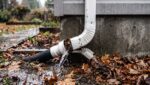
Tree roots waging war on sewer lines create one of the most destructive underground problems homeowners must face. These roots can sneak into sewer systems through the smallest cracks or loose joints and create blockages that wreak havoc on your plumbing system.
Poplar trees pose an especially serious threat. Their roots can stretch up to 450 feet from the trunk, which is three times their towering 150-foot height.
Most homeowners don’t notice this hidden invasion until the most important damage has already occurred. The repair costs can quickly add up. Minor issues start at a few thousand dollars, while complete sewer line replacements can cost tens of thousands.
Your home will show warning signs like slow drains, bad smells, and mysterious wet areas in the yard. Willow, magnolia, and poplar trees are known troublemakers. Their aggressive root systems constantly search for moisture and nutrients in sewer lines.
n this piece, you’ll learn about ways to spot, prevent, and end up winning this underground battle against invasive tree roots in your sewer system.
Table of Contents
Let me walk you through everything about curbing roots in sewer lines—a problem many homeowners face but can solve. This piece covers the knowledge and practical solutions you need, whether you’re dealing with root invasion now or want to prevent future issues.
- How Tree Roots Invade Sewer Lines
- Warning Signs of Root Intrusion
- How to Get Rid of Roots in Sewer Lines
- Preventing Future Root Damage
- When To Call a Pro?
- Final Thoughts
How Tree Roots Invade Sewer Lines
Tree roots start their hidden battle by searching for what they need most: water, oxygen, and nutrients. Your sewer pipes become their perfect target during this relentless hunt.
Why Sewer Lines Attract Roots
Trees have amazing abilities to sense their environment. Their roots can detect tiny variations in moisture and nutrient levels in the soil around them. This natural ability guides them straight to sewer pipes that create perfect growing conditions.
Studies show root intrusion causes up to 50% of all sewer system blockages. Recent surveys revealed that 97% of Danish towns and 99% of Swedish cities reported roots in their pipes. Sewer lines create an environment roots can’t resist with their warm, nutrient-rich atmosphere.
Common Entry Points for Roots
Roots don’t usually break through solid pipes. They find weak spots instead. Here’s where they typically get in:
- Joints connecting pipe sections (older systems with concrete joints are especially vulnerable)
- Tiny cracks from ground movement
- Loose pipe connections
Pipe systems use sections joined about every meter, which creates many possible entry points. Better joints came out in the 1970s, but they remain the easiest way for roots to get in.
Materials Most at Risk (Clay, Cast Iron)
Different pipe materials face varying levels of risk. Clay pipes from the 1960s and 1970s attract roots the most. These pipes’ porous nature and tendency to crack make them easy targets.
Cast iron pipes last longer than clay but can rust over time, giving roots weak spots to exploit. Modern PVC pipes resist roots better because they have fewer joints and tighter connections.
How Roots Grow Once Inside
Roots thrive once they break into a pipe. They start as tiny hair-like strands and grow into large masses that trap debris. These root clusters get tangled with grease, tissue paper, and waste to create major blockages. The roots keep growing and push against the pipe walls with enough force to break them or cause them to collapse.
Warning Signs of Root Intrusion
Tree root detection in sewer lines can save you a lot of money on repairs and help avoid major plumbing disasters. Homeowners who spot these warning signs early can tackle root problems before they cause extensive damage.
Slow Drains and Frequent Clogs
Your home’s main sewer line likely has a partial root blockage if multiple plumbing fixtures start draining slowly all at once. You’ll notice your sinks, showers, and tubs taking longer than usual to empty.
Clogs that keep coming back even after plunging or using drain cleaners point to a deeper problem. Roots catch passing debris and create a natural trap that blocks wastewater flow.
Gurgling Sounds from Toilets or Drains
Strange bubbling or gurgling sounds from your plumbing often mean air pockets are forming because of partial blockages. You’ll hear these distinct noises as water tries to flow past root obstructions. The sounds might happen while flushing toilets or running sink water. Your sewer line needs immediate attention if one fixture makes noise while using another – like your toilet gurgling during a shower.
Foul Odors in the Home or Yard
Root blockages often trap wastewater until it becomes stagnant, which creates obvious sewage smells. These nasty odors come from backed-up pipes that can’t properly drain waste from your home. Roots have probably created a major blockage if bad smells stick around after drain cleaning or using deodorizers. Your yard might also smell terrible right above the sewer line area if roots have damaged pipes and caused leaks.
Unusually Green or Wet Lawn Patches
Your yard can tell you a lot about hidden sewer line leaks. Grass grows faster and looks greener than surrounding areas where wastewater leaks act like fertilizer. Soft, spongy, or wet spots in your lawn during dry weather usually mean underground leaks from damaged pipes.
Increased Pest Activity
Damaged sewer lines attract all sorts of pests that love moisture and organic matter. You might see more rats, mice, cockroaches, and mosquitoes around your home. These pests thrive in the damp conditions created by leaking wastewater. A sudden increase in pest activity near your foundation or basement could mean you need to check your sewer lines.
How to Get Rid of Roots in Sewer Lines
Root invasion in your sewer line needs quick action. You’ll need a smart plan to get rid of these unwanted visitors based on how bad the problem is.
Camera Inspection to Confirm Root Presence
Finding the exact spot and size of root problems should happen before any removal work starts. A professional plumber runs a flexible rod with a high-resolution camera that shows up-to-the-minute footage on a monitor.
This sewer camera inspection shows where roots break into your pipes, reveals damage levels, and helps pick the best fix. This vital check stops you from wasting time on fixes that won’t work or parts of the pipe that don’t need help.
Mechanical Root Removal (Rooter Machines)
After spotting the roots, mechanical removal usually comes first. Plumbers use three main methods:
- Drain snaking: A metal “snake” with an auger breaks blockages apart and pulls out the mess. It works well on smaller root problems but doesn’t stop them from coming back.
- Hydro jetting: Strong water streams (fine-tuned to what your pipes can handle) blast roots away without chemicals or digging. Your pipe walls get cleaned too, which means less buildup later.
- Mechanical augers: Special cutting tools spin inside pipes and slice roots into smaller pieces you can flush away.
Chemical Treatments: What Works and What Doesn’t
Chemical treatments shine best as maintenance tools after mechanical clearing. Foaming root killers with metam-sodium grow bigger when mixed with water and coat pipe walls to kill roots they touch. Products like Hercules Root Destroyer use non-caustic herbicides that work great against roots when you use them right (usually letting them sit overnight works best). Copper sulfate used to be big but pros avoid it now because it hurts the environment and can damage pipes.
Trenchless Repair Options: Relining and Bursting
Damaged pipes have some low-impact fix options:
- Pipe lining: Makes a “pipe within a pipe” using epoxy resin that hardens into a smooth, root-resistant shield. This works great for cracked pipes that still hold their shape.
- Pipe bursting: A new pipe gets pulled through while breaking up the old one. This solution helps with badly damaged pipes without tearing up your yard.
When Full Pipe Replacement Is Necessary
Your pipes might need complete replacement if they’ve collapsed or roots have caused too much damage. Nobody likes this option because it costs more and messes up your yard, but sometimes it’s your only choice if trenchless methods won’t work because you have too many connection points or really short pipe sections.
Preventing Future Root Damage
Stopping root intrusion before it begins is nowhere near as expensive as fixing a pipe after roots invade it. You can protect your sewer system for years with the right prevention strategies.
Smart Tree Planting Practices
Tree placement plays a vital role when you add new trees to your yard. Plant trees at least 3 meters away from sewer lines as a general rule. Species with aggressive root systems need at least 30 meters of distance. Older sewer lines require approximately 30 meters of space from large trees.
Your local utility company should mark underground pipes before you start planting. Trees with less invasive root systems reduce risks by a lot. Replace mature trees near sewer lines every eight to ten years before their roots spread too far.
Installing Root Barriers
Root barriers redirect tree roots away from your sewer infrastructure without damaging the tree. Plastic, metal, or stone materials make effective barriers. Small trees and shrubs usually need a barrier depth of 30-45 centimeters. Medium-sized trees need 60-90 centimeters, while larger trees with aggressive root systems require barriers 90-120 centimeters deep.
The barrier should extend 2.5-5 centimeters above ground level to stop roots from growing over it. Linear installations next to sidewalks or foundations need barriers only on the side facing potential damage.
Routine Sewer Line Inspections
Camera inspections are a great way to get early warnings about small root intrusions before they become major blockages. Professional inspections work best every two years, especially with previous root problems.
Specialists use high-resolution cameras to find potential root entry points. This allows for preventive maintenance instead of emergency repairs. Finding problems early can save you money on repairs and protect your property’s value.
Using Durable Pipe Materials
Choosing root-resistant materials builds long-term protection when replacing pipes. PVC (polyvinyl chloride) pipes defend against root intrusion with their smooth interiors and watertight joints. HDPE (high-density polyethylene) pipes flex with ground movement and resist root penetration. These materials work better than traditional clay and cast iron pipes, which roots can easily damage.
Home Remedies for Tree Roots in Sewer Line: Are They Effective?
Some DIY solutions show limited success in prevention. Copper mesh wrapped tightly around pipes creates a natural barrier that roots avoid. Root killers with foam bases applied every two months (about 226 grams each time) help stop new growth after mechanical removal. These remedies work best alongside other prevention strategies rather than as your main defense.
When To Call a Pro?
You can save time and money by knowing the right time to call a professional for stubborn root invasions. Several signs show that tree roots in your sewer line need more than DIY solutions.
Persistent Backups Despite Cleaning
DIY solutions like drain cleaners or a simple auger rental might not give lasting results. A professional plumber can inspect your pipes with cameras to find the exact location and extent of root invasion. Your kitchen sink, shower, and toilets might drain slowly despite your best efforts. This usually points to a blockage in the main line where tree roots commonly intrude.
Recurring Odors or Gurgling Sounds
You should call professionals if you hear continuous gurgling or bubbling when flushing or running water. Air pockets form in the line because of partial blockages that cause these sounds. Your drains might also emit persistent foul odors because waste isn’t flowing properly. A properly working sewer line never releases bad smells into your home. Professional help becomes urgent when using one fixture affects another, like water backing up into your tub after flushing.
Visible Yard Damage or Sinkholes
Your yard might show signs of sewer line problems through standing water, spongy grass, or unusually green patches. These indicators often mean you have a broken pipe that leaks wastewater into the soil. Sinkholes might form around your property in severe cases. Water erodes the soil underneath and creates these depressions that can damage your home’s foundation if ignored.
Before Buying or Renovating a Home
A professional sewer inspection makes sense before buying property, especially homes built before the 1970s. These older houses often have galvanized steel or clay tile pipes that roots can easily penetrate. An inspection reveals problems that might cost thousands to fix, giving you negotiating power or helping you avoid expensive surprises. You should also know the exact location of sewer lines before major renovations to prevent accidental damage during construction.
Final Thoughts
Fighting tree roots in sewer lines can feel overwhelming. But you can protect your plumbing system if you know what you’re doing. I’ve explained how roots search for moisture and nutrients in pipes. These roots can create expensive problems if you don’t address them quickly.
Your best defense is prevention. Plant trees at least 3 meters away from sewer lines and install proper root barriers to substantially reduce invasion risks. On top of that, camera inspections every two years help catch small problems before they turn into major blockages. These blockages could cost you 80% more to fix.
Root-invaded systems have several treatment options based on damage level. Hydro jetting provides quick relief, while chemical treatments add extra protection. In spite of that, badly damaged pipes might need trenchless repairs or complete replacement to solve the problem for good.
Without doubt, early detection of warning signs makes a huge difference. Don’t ignore slow drains, strange sounds, foul odors, or unusually green lawn patches. DIY methods might fix minor root problems, but ongoing issues need professional help before complete system failure happens.
Note that your situation will determine the right solution. Homes with clay or cast iron pipes face bigger risks than those with modern PVC plumbing. Some tree species also create more problems because of their aggressive root systems.
This underground battle against tree roots needs constant alertness and preventive action. Regular maintenance and quick responses will help you keep your plumbing healthy, avoid surprise costs, and protect your property’s value for years ahead.