Three-quarters of water heater replacements aren’t actually necessary. The units aren’t broken – they’re just clogged with mineral deposits that a 45-minute flush could clear. Think of it like sediment in a river – it gradually accumulates at the bottom. We’ve pulled chunks of calcium and magnesium from tanks that hadn’t been flushed in years. The good news? Flushing your tank is something most homeowners can handle themselves in about 45 minutes.
What You’ll Discover
By the end of this post, you’ll know exactly how to:
- Spot sediment buildup signs – The symptoms that mean it’s time to flush
- Complete the flush safely – Our 5-step process takes under an hour
- Prevent costly replacements – Regular flushing doubles tank lifespan
- Handle Surrey’s hard water – Local factors that affect your timeline
Reading time: 4 minutes | Difficulty: Beginner
Understanding What’s Happening Inside Your Tank
Your water heater is basically a giant thermos that’s constantly working. Cold water enters, is heated, and then flows to your taps. But here’s what most people don’t realize – minerals in that water don’t disappear when heated. They actually settle faster in hot water, sinking to the bottom of your tank like sand in a bucket.
The Three Warning Signs
- Rumbling Sounds: Water bubbling through sediment layers creates a popping or rumbling sound. Volume increases as the buildup thickens.
- Longer Heat Times: Sediment acts like insulation between the heating element and water. Recovery time increases by 40% with heavy buildup.
- Higher Energy Bills: Your heater works overtime, heating through deposits. Energy usage climbs 25% per inch of sediment.
Pro Tip: We’ve found tanks with 3-4 inches of sediment still running – but using twice the energy they should.
Your 45-Minute Flushing Process
Our field-tested process prevents most water heater failures:
Step 1: Safety Setup (5 minutes)
Turn off the power at the breaker (electric) or set the gas valve to “pilot.” Close the cold water supply valve. Safety matters more than speed – we’ve seen what happens when people rush.
Step 2: Cool Down Period (30-60 minutes)
Hot water causes severe burns. Wait at least half an hour. Some folks do this step overnight. Your choice, but cooler is always safer.
Step 3: Drainage Setup (10 minutes)
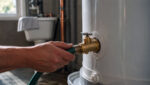
Connect the garden hose to the drain valve located at the bottom of the tank. Run the other end to the floor drain or outside. Ensure the hose end sits lower than the tank for gravity flow. Keep a bucket nearby for drips.
Step 4: The Actual Flush (15-20 minutes)
Open hot water tap upstairs (prevents vacuum lock). Open the drain valve fully. The water appears rusty initially – that’s normal. Continue until water runs clear, typically 10-15 minutes.
Step 5: Refill and Restart (10 minutes)
Close the drain valve, disconnect the hose, and open the cold water valve. The tank fills in about 10 minutes. You’ll know it’s full when steady water flows from the open tap. Close the tap, restore power, and done.
Quick Win Exercise
Try This Now: Check the age of your water heater by looking at the serial number sticker on the unit. Units over 6 years without flushing need immediate attention. Takes 30 seconds and reveals your maintenance urgency.
Surrey-Specific Maintenance Factors
Homes in White Rock and South Surrey often deal with harder well water, which causes mineral deposits to form 35% faster. Fraser Heights’ older pipes contribute additional sediment. Cloverdale’s heritage homes often have decades of buildup if maintenance was skipped.
Local factors affecting your timeline:
- Municipal water averages 120 ppm hardness
- Well water reaches 180 ppm in some areas
- Coastal humidity accelerates tank corrosion
- Temperature swings increase thermal stress
Your Action Plan
Stop reading and start doing. Here’s your roadmap:
Immediate (Today): Check the age of the water heater and its last service date. Document any unusual sounds or slow heating.
Short-term (This Weekend): Schedule your first flush if overdue. Mark calendar for annual repeat – most choose spring or fall Saturdays.
Long-term (Annually): Establish routine maintenance. Flushing costs an hour yearly but saves thousands in premature replacement.
When to Call a Professional
After attempting your flush, these conditions require immediate professional assessment:
- No Water Flow: A severe blockage requires specialized equipment. DIY forcing risks tank damage.
- Persistent Leaks: The drain valve fails to seal completely. Replacement parts required.
- Unusual Noises Continue: Sediment hardened beyond flushing. Professional descaling needed.
- Tank Over 12 Years: Consider replacement evaluation. Modern units can save up to 30% on energy.
Key Takeaways
- Annual flushing prevents 75% of water heater failures and doubles equipment lifespan.
- The 45-minute process saves hundreds of dollars in energy costs and thousands in early replacement costs.
- Surrey’s hard water requires vigilant maintenance – especially for homes on wells.
- The tanks have been without maintenance for over 6 years and need immediate attention.
- Modern high-efficiency replacements can save up to 30% on energy if your tank is more than 12 years old.
Questions about your specific water heater? Not sure if that sound is normal? Give us a call at 604-897-4989. We’re always happy to walk you through it over the phone. Sometimes, a quick chat can save you time and worry.