Toilet flappers typically need replacement after five years of use. A failing rubber component causes most leaking or running toilets in homes. The problem creates more than just annoyance – a worn flapper wastes hundreds of gallons of water, and water bills can get pricey. Your toilet’s running water sounds signal money disappearing down the drain.
Most homeowners can replace toilet flappers themselves without professional help. A toilet flapper replacement project saves time, water, and money, whether your toilet runs constantly or doesn’t flush completely.
This guide helps you replace your toilet flapper correctly. You’ll learn to pick the right type and avoid common installation mistakes. The information helps you handle this simple home repair with confidence.
Your bathroom’s functionality depends on understanding what a toilet flapper does. Let’s explore its essential role.
Table Of Contents
Got a running toilet that needs fixing? Let me walk you through a complete guide to toilet flapper replacement. Here’s what we’ll cover:
- Understanding the Toilet Flapper: Let’s start with the basics of what a toilet flapper does, how it works, and signs that tell you it’s time for a replacement. On top of that, you’ll learn which flapper types exist and how to pick the right one for your toilet.
- How to Replace a Toilet Flapper Step-by-Step: The next part gives you clear steps to replace your toilet flapper. We start with turning off the water supply and end with getting the chain tension just right. You’ll also find useful tips to handle toilets that don’t have mounting pegs.
- Common Mistakes to Avoid When Replacing a Flapper: DIY repairs can go wrong in simple ways that cause ongoing problems. This section explains these common mistakes and shows you the right way to handle the replacement.
- Testing and Troubleshooting After Installation: Your new flapper needs proper testing after installation. You’ll find the quickest way to test it and fix any issues that might pop up afterward.
- When To Call a Pro?: Some situations need professional expertise. We help you spot these cases so you don’t waste time on repairs beyond your skill level.
- Key Takeaways: The guide wraps up with essential tips that make your toilet flapper replacement successful and long-lasting.
Understanding The Toilet Flapper
A toilet flapper might look like a simple part, but it plays a significant role in your toilet’s functionality. Let’s take a closer look at this small rubber part that makes your bathroom work properly.
What Is a Toilet Flapper and What Does It Do?
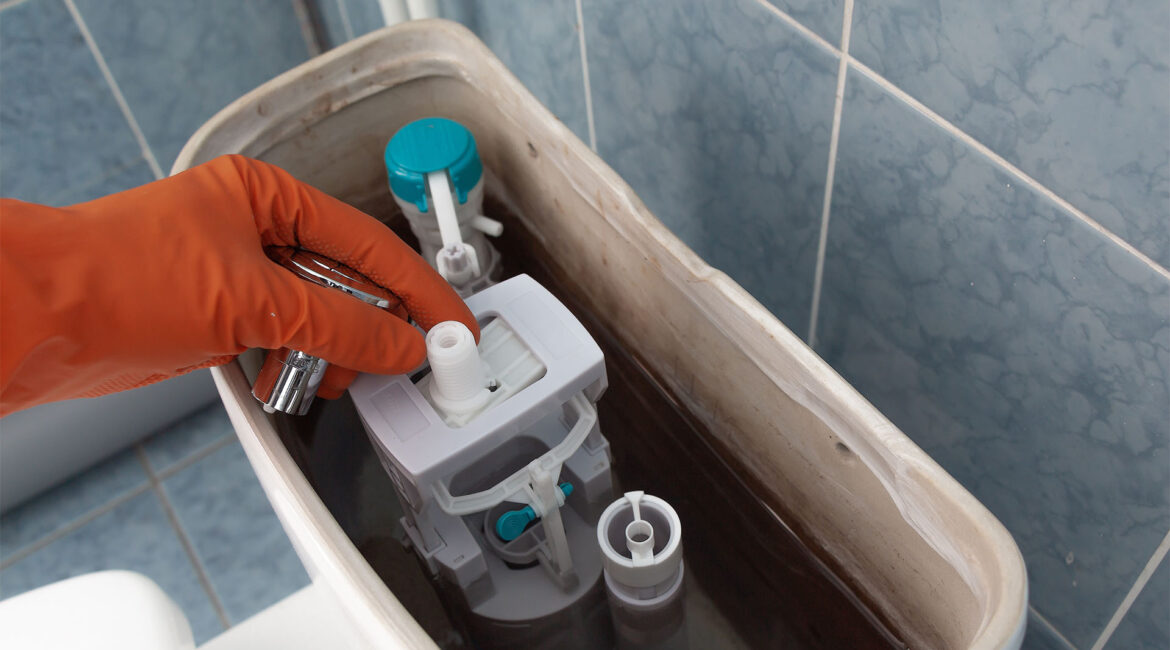
The toilet flapper is a circular rubber seal at the tank’s bottom that controls water flow between the tank and bowl. This vital part creates a watertight seal to stop water from flowing into the bowl between flushes. The flush handle pulls a chain that lifts the flapper, which allows water to rush from the tank into the bowl and creates the flushing action.
Signs Your Toilet Flapper Needs Replacing
These signs indicate a problem:
- Running water is constantly in the toilet tank
- Weak or incomplete flushes
- “Ghost flushing” – your toilet flushes on its own without use
- The flapper shows visible wear or warping
You can do a simple test: add food coloring to your tank water and wait 15-30 minutes without flushing. Your flapper leaks if colored water shows up in the bowl.
Types of Toilet Flappers and Compatibility
Toilet flappers come in two main sizes:
- Standard 2-inch (about the size of a baseball)
- Larger 3-inch (about the size of a softball)
The flappers vary by frame type (flexible rubber or solid plastic) and adjustability. Toilets made before 1994 usually need non-adjustable flappers. Newer models often require adjustable ones designed for 1.28 to 1.6 gallon-per-flush toilets.
How Long Does a Toilet Flapper Last?
A toilet flapper typically lasts 3-5 years. Water quality and cleaning products affect its durability. Hard water deposits, chlorine tablets, and bacteria can reduce a flapper’s lifespan. So, checking your flapper yearly helps prevent unexpected leaks and water waste.
These simple details will make your toilet flapper replacement easier. Let’s examine the step-by-step process next.
How To Replace A Toilet Flapper Step-By-Step
You can replace a toilet flapper with minimal tools in less than 30 minutes. This guide will help you complete this simple plumbing task step-by-step.
Turn Off the Water Supply and Empty the Tank
Look for the oval-shaped shutoff valve behind your toilet and turn it clockwise until it stops. The toilet needs a flush to drain most of the water from the tank. Take off the tank lid and set it down safely. A sponge or old towel will help soak up any leftover water at the tank’s bottom.
How to Remove the Old Toilet Flapper
The chain needs to be unhooked from the flush handle lever at the tank’s top. The flapper comes off the flush valve next – slide the rubber ears off the pegs for soft rubber flappers or snap them loose for hard rubber models.
Choosing the Right Replacement Flapper
Two sizes exist for toilet flappers: standard 2-inch (baseball-sized) and larger 3-inch (softball-sized). Bringing your old flapper to the store helps ensure a matching replacement. Your toilet’s age matters – models from 1994 onward typically use adjustable flappers for 1.28- and 1.6-gallon-per-flush toilets.
Installing the New Flapper Correctly
The new flapper goes over the flush valve opening. Each ear hooks onto the side pegs of the flush valve. A proper seal requires the flapper to sit squarely over the opening.
Adjusting the Chain for Proper Tension
The chain connects to the flush handle lever with about 1/2 inch of slack. A tight chain prevents proper sealing, while a loose one might get trapped underneath. A test flush confirms proper operation.
How to Replace a Toilet Flapper Without Mounting Pegs
Toilets without mounting pegs need the ring included with your new flapper. The ring slides around the overflow tube. Push the flapper down until it meets the valve seat. The chain attaches as described above, and a flush test ensures everything works properly.
Common Mistakes To Avoid When Replacing A Flapper
Small mistakes can lead to ongoing toilet troubles, even with the right replacement part. These guidelines will help you avoid common toilet flapper replacement errors.
Using the Wrong Flapper Size or Type
Toilet flappers come in two main sizes: 2-inch (baseball-sized) and 3-inch (softball-sized). A wrong-sized flapper won’t seal properly. The flapper’s frame type also matters. Flexible rubber flappers work with most flush valves and are great for angled seats. Solid frame flappers last longer but don’t fit all toilets. Toilets made before 1994 need non-adjustable flappers, while newer models work best with adjustable ones.
Leaving Too Much or Too Little Chain Slack
Your flapper’s chain needs about 1/2 inch of slack. Tight chains stop the flapper from sealing well, and loose chains can get trapped under the flapper. Connect the chain clip right above the flapper first. Test it and trim any extra chain that might cause problems.
Not Cleaning the Valve Seat Before Installation
The valve seat needs a good cleaning before you install a new flapper. Mineral deposits and debris will prevent a proper seal. Take a clean cloth and wipe the flapper’s underside and valve seat to remove any slime or buildup.
Forgetting to Test the Flapper Before Replacing the Tank Lid
Make sure your installation works with multiple test flushes. Watch for complete flushes, proper tank filling, and check for leaks. Flush several times to confirm the flapper opens fully and seats back correctly.
Testing And Troubleshooting After Installation
Testing a new toilet flapper properly will make sure everything works as it should. A failed test helps you spot problems that need immediate attention.
How to Test the New Toilet Flapper
The first step after installation is to restore the water supply. Turn the shutoff valve counterclockwise slowly and wait for the tank to fill completely. This usually takes a minute. You should perform several test flushes to watch the flapper’s movement. A properly working flapper lifts during the flush and creates a tight seal as the bowl refills. Look carefully for leaks or poor seating.
What to Do If the Toilet Flapper Is Still Leaking
Several common reasons cause persistent leaks:
- Chain length problems: The flapper won’t seal properly if excess chain gets caught underneath
- Flapper position: The flapper must sit evenly on the valve seat
- Valve seat cleanliness: Clean any slime or debris from the flapper’s underside and valve seat
Fixing a Toilet Flapper That Won’t Close
The chain might be too tight in this situation. The flapper might close too fast, which means you need a more buoyant replacement. Flappers with floats can be adjusted by lowering the float on the chain to increase float time.
The Toilet Tank Doesn’t Refill Properly
A damaged overflow tube often leads to refilling problems. The refill tube might extend too deep into the overflow pipe and create a siphoning effect. The water supply valve should be completely open.
When To Call A Pro?
DIY toilet flapper replacement works well most times, but some situations need a professional plumber’s expertise. A plumber’s help can save time and stop water damage in your home.
Persistent Leaks After Replacement
Leaks might continue even with a new flapper. This usually points to problems beyond just the flapper itself. The flush valve might need replacement if you’ve tried adjusting the chain length, cleaning the valve seat, and using different flappers without success. A professional plumber can figure out whether you need a new flush valve or if your tank-to-bowl gasket has problems.
Issues with Flush Valve or Overflow Tube
The flush valve or overflow tube repairs need more technical know-how. You should get professional help if you spot a cracked overflow tube or face issues that need tank removal from the bowl. On top of that, it signals a complex repair when your water shutoff valve lets water into the tank even when closed.
If You Have an Older or Unusual Toilet Model
Finding parts for older toilets can be tricky. Your toilet could end up with more damage if you try fixing vintage fixtures without proper experience. Unusual models may also require custom fixes that professionals can identify more effectively.
Note that complex repairs without proper knowledge could lead to costlier problems.
Key Takeaways
Master this simple DIY repair to stop water waste and reduce your monthly bills while gaining valuable home maintenance skills.
- Turn off water, remove old flapper, and install the correct size replacement with proper chain slack (1/2 inch)
- Choose the correct flapper: 2-inch for older toilets, 3-inch for newer models, adjustable for post-1994 toilets
- Clean the valve seat thoroughly before installation to ensure proper sealing and prevent leaks
- Test multiple flushes after installation; call a professional if leaks persist after proper installation
- Replace flappers every 3-5 years to prevent water waste of hundreds of gallons annually
A properly installed toilet flapper should provide years of reliable service. This 30-minute repair can save significant money on water bills while preventing the frustration of a constantly running toilet.