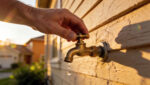
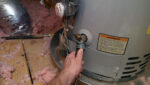
Hard water affects approximately 85% of Canadian homes, and here in Surrey, our groundwater sources pack quite a mineral punch. Understanding when your home requires water softening technology can prevent those costly plumbing repairs we see too often and genuinely improve your daily water experience.
What We’re Covering Today
- Scale buildup indicators on fixtures and appliances
- Soap efficiency and cleaning challenges
- Skin and hair condition changes
- Appliance performance degradation
- Water taste and appearance issues
1. Visible Scale Buildup on Fixtures and Appliances
White, chalky deposits on faucets, showerheads, and fixtures indicate hard water mineral accumulation. This calcium carbonate buildup (commonly called limescale) forms when dissolved minerals precipitate out of heated water. We’ve seen fixtures become completely clogged within months in some Surrey homes.
The accumulation process accelerates in high-temperature environments. Water heaters, coffee makers, and dishwashers experience particularly aggressive scaling. In Surrey’s water conditions, untreated hard water can reduce water heater efficiency by 20-30% within two years of installation.
Professional tip: Examine the aerator (the small screen at your faucet tip) monthly. Rapid mineral accumulation indicates water hardness levels requiring treatment.
2. Soap and Detergent Inefficiency
Hard water minerals react with soap molecules, creating soap scum instead of the lather you’re looking for. This chemical reaction reduces cleaning effectiveness across all applications – from your morning shower to weekly laundry loads.
Here’s what you’ll likely notice:
- Excessive soap is required for adequate lather
- Dingy or gray-looking white laundry
- Soap film remaining on shower doors and bathtubs
- Dishes with spots or cloudy residue after washing
The increased detergent usage typically costs households 25-40% more annually than necessary. Additionally, clothing fibers break down faster when washed in hard water, reducing garment lifespan significantly.
3. Dry Skin and Brittle Hair
Hard water minerals create a film on skin and hair, preventing natural moisture retention. The minerals interfere with your skin’s ability to absorb moisturizers and leave residue that blocks pores.
Common symptoms include:
- Persistent dry, itchy skin despite moisturizer use
- Hair that feels rough or looks dull
- Increased dandruff or scalp irritation
- Skin conditions like eczema are worsening
These issues particularly affect sensitive skin during Surrey’s dry winter months when indoor heating already reduces humidity levels. Children and those with existing skin conditions experience more pronounced effects.
4. Appliance Performance Issues and Shortened Lifespan
Mineral deposits accumulate inside water-using appliances, reducing efficiency and accelerating wear. The scaling creates insulation barriers in heating elements, forcing appliances to work harder and consume more energy.
Critical warning signs include:
- Water heater recovery time is increasing
- Dishwasher leaving spots despite rinse aid use
- Washing machine is developing rust stains
- Coffee maker requiring frequent descaling
- Reduced water pressure from clogged pipes
Appliances operating with hard water typically experience 30-50% shorter lifespans. A water heater that should last 10-12 years might fail within 6-8 years due to mineral accumulation damage.
5. Unusual Water Taste or Appearance
While Surrey’s municipal water meets all safety standards, hard water minerals affect taste and clarity. High mineral content creates distinct characteristics you might notice.
Indicators include:
- Metallic or earthy taste in drinking water
- Cloudy ice cubes
- Tea or coffee tasting bitter or flat
- Slight discoloration in standing water
These aesthetic issues, while not health hazards, indicate mineral levels that damage plumbing infrastructure over time.
When To Call a Pro?
Professional water testing provides accurate hardness measurements and treatment recommendations. Consider a professional assessment when experiencing multiple symptoms listed above or if scale buildup appears within weeks of cleaning.
Our certified technicians perform comprehensive water analysis, examining mineral content, pH levels, and total dissolved solids. This data determines appropriate softener sizing and configuration for your specific needs.
Key Takeaways
- Scale buildup on fixtures indicates immediate treatment need
- Soap inefficiency increases household costs by 25-40% annually
- Hard water accelerates appliance failure, reducing lifespan by 30-50%
- Professional water testing ensures proper treatment system selection