Ways to save water in summer become increasingly crucial as our consumption skyrockets during these warmer months. As parents, teaching our children how to conserve water at home isn’t just environmentally responsible—it’s becoming necessary. Showers contribute to almost 25% of household water use, while toilets account for 24% of total home water consumption.
Through simple daily habits and fun activities, we can significantly reduce our family’s water footprint while teaching our kids valuable conservation skills that will benefit them throughout their lives.
Table of Contents
- Cutting Down Outdoor Water Waste
- Simple Indoor Habits That Save Water
- Water Conservation for Kids: Easy and Fun Ideas
- Tools and Upgrades That Make a Difference
- Final Thoughts
Cutting Down Outdoor Water Waste
Residential outdoor spaces use up to 30% of household water. Half of this water gets lost through evaporation, runoff, or high winds. Smart watering practices can cut this waste and help kids learn valuable ways to save water.
Watering Plants at the Base
Plants take in water through their roots instead of leaves, so water needs to go where it helps most. Soaker hoses put water right into the soil near plant roots, making 90% of it available to plants. This method saves water and keeps plants healthy by preventing wet leaves that can lead to disease.
Here’s a fun project for kids with smaller gardens: grab a gallon milk jug, cut off its top, make small holes in the bottom, and bury it near plants with just the neck showing. Fill it once or twice a week and mix in some fertilizer once plants start producing fruit. Kids really enjoy checking on these simple water systems!
Avoiding Midday Watering
The best time to water plants is early morning, before 10 am. Midday heat can steal up to 30% of water through evaporation. Morning watering lets plants stock up on water before temperatures rise.
Evening watering after 6 pm works well too. Just remember to water the soil and not the leaves to stop fungus from growing overnight. This timing lesson makes a great science experiment for kids to learn about evaporation and plant health.
Rewilding or Replacing Lawns
Regular lawns drink up about 50% of urban water. Families can cut their outdoor water use in half by switching to plants that need less water.
Rewilding your lawn with native plants brings several benefits:
- Native plants grow deeper roots (up to 4.2 meters) that better absorb and clean water
- These plants need less care because they naturally fit local conditions
- Your yard becomes a home for birds, butterflies, and helpful insects
Rock gardens, clover lawns, meadow gardens, and rain gardens look beautiful with minimal watering. Just one native plant, like milkweed, can help your local ecosystem. These varied landscapes give kids much more interesting outdoor adventures than a regular lawn could ever provide.
Simple Indoor Habits That Save Water
Our homes use the most water. Small changes in daily habits can save lots of water without giving up comfort or cleanliness.
Turn Off Taps While Brushing or Washing
Bathrooms use more than half of all indoor water. You can save up to 8 liters each time you turn off the tap while brushing your teeth—that adds up to 200 liters monthly. Picture a fish tank big enough for six small sharks—that’s how much water you save!
These family-friendly tips work well:
- Wet your toothbrush and turn off the water right away
- Rinse with a cup instead of running water
- Look for bathroom fixture leaks—homes across the country waste nearly 900 billion liters yearly from leaks
The CDC says you should turn off the tap while soaping your hands. Kids should learn to use water only at the start and end of handwashing.
Use a Bowl to Rinse Fruits and Veggies
A bowl of water cleans fruits and vegetables better than running tap water. This simple switch saves lots of water. Your food stays just as safe—research shows still water removes microorganisms well.
The water from washing produce works great for houseplants. Kids learn about saving resources when they see that everything gets used. Soak leafy greens in cool water to remove dirt before you rinse them.
Keep Cold Water in the Fridge
A pitcher of cold water in your fridge means no more running the tap until it’s cool—a habit that wastes several liters. So every drop of water goes into your glass instead of the drain.
Your fridge runs better with stored water too. Water helps keep the temperature steady inside your fridge and cuts down on energy use. One pitcher can replace hundreds of disposable water bottles, which saves both water and reduces waste.
Water Conservation for Kids: Easy and Fun Ideas
Water conservation becomes fun and educational when the whole family gets involved. These simple ideas can help your kids become water-saving superheroes at home during summer and beyond.
Check Taps and Toilets for Leaks
Hidden leaks waste huge amounts of water in our homes. Research shows that 10% of households leak more than 340 liters daily – enough to fill a bathtub every day. A single dripping tap wastes over 10,000 liters each year.
Kids love playing detective! Let them hunt for leaks around the house. They can run a simple test by adding food coloring drops to the toilet tank and waiting 15 minutes. Color showing up in the bowl without flushing means they’ve caught a sneaky leak. This test helps spot problems that waste up to 60 liters yearly. Your little ones can become the house’s official “leak patrol” officers.
Use a Shower Song Timer
A family of four can save about 40,000 liters of water yearly by reducing shower time from seven to four minutes. The challenge becomes exciting with four-minute songs designed specifically to time showers.
Several water companies offer special “shower playlists” on streaming platforms with four-minute songs. The rule is simple – the shower ends when the music stops! Kids find this musical approach to saving water nowhere near as boring as regular timers.
Spot Check Clothes Before Washing
Kids should learn to assess if clothes need washing. Most clothes can be worn several times before laundry day. Studies show women wear bras eight times on average before washing.
Show your children how to hang up clothes after wearing them and check before tossing them in the laundry basket. Clothes that look clean and smell fresh are good to wear again.
Rinse Pets on the Lawn
Your pet’s bath time offers another chance to save water. Move pet washing outdoors with a large basin placed on grass that needs watering. This smart method works double duty – your pet gets clean while your garden gets watered.
The nutrient-rich water helps your lawn grow instead of going down the drain. Even the water from pet bowls can help your plants thrive instead of being wasted.
Tools and Upgrades That Make a Difference
Your family’s water footprint can drop a lot through smart home upgrades during summer. These one-time investments help conserve water and teach kids about green resource management.
Install Low-Flow Showerheads and Faucet Aerators
Simple fixture upgrades save water without losing comfort. Modern low-flow showerheads use just 2.0 liters per minute while standard models use 2.5+ liters. This cuts shower water usage by up to 50%. Families save about 2,700 liters yearly by switching to WaterSense labeled showerheads.
Faucet aerators are small disk-like screens that attach to tap ends. They mix air with water to keep pressure steady while using less water. Bathroom faucet aerators keep flow between 0.5-1.5 liters per minute, and kitchen models typically stay at 2.2 liters. These budget-friendly devices cut faucet water usage by up to 40%.
Upgrade to High-Efficiency Appliances
ENERGY STAR certified appliances cut down water and energy use by a lot. These washing machines use 30% less water than regular models and save about 5,000 liters yearly. ENERGY STAR dishwashers also use 18% less water and 10% less energy.
High-efficiency toilets save water dramatically since toilets make up about 24% of household water use. New models using 1.3 gallons or less per flush can reduce indoor water use by 25% compared to older ones that use up to 5 gallons.
Use Rain Barrels and Smart Irrigation Systems
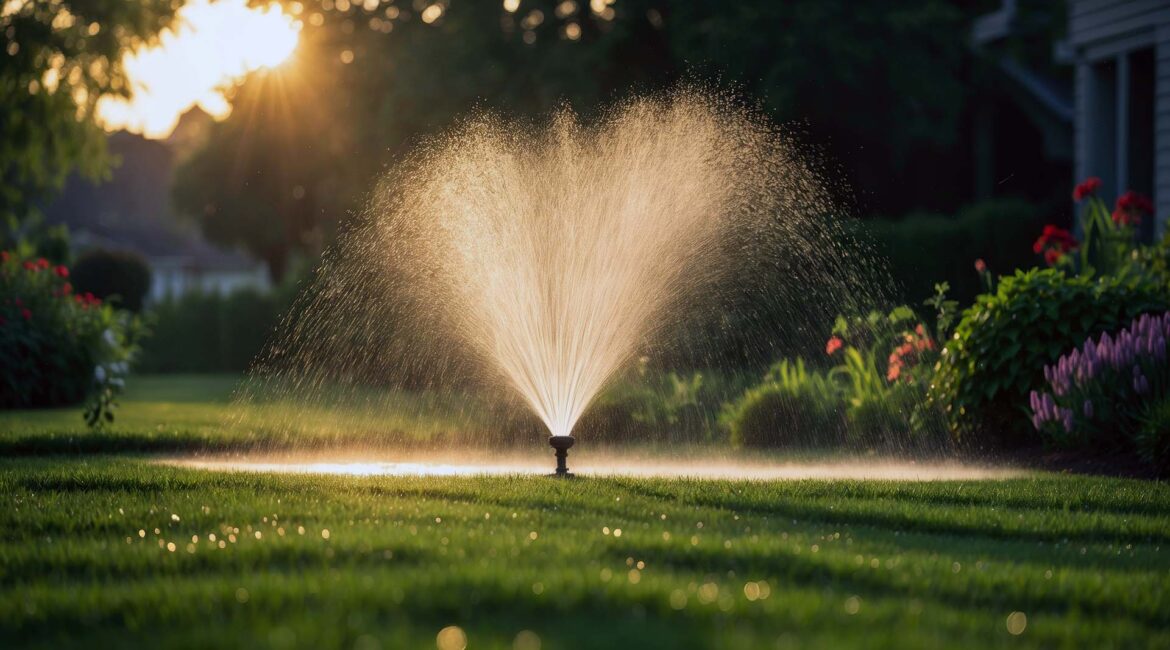
Smart irrigation controllers adapt watering schedules based on weather or soil moisture. These systems have shown water savings of 20-43% in summer compared to regular timers. The soil moisture sensors work best when placed away from sprinklers, tree roots, and hard surfaces.
Rain barrels are a great way to collect roof runoff:
- A 1-inch rainfall on 100 square feet of roof gets you about 60 gallons of usable water
- Plants love collected rainwater because it’s warmer, softer, and free of chlorine
- You need minimal tools to set them up, and they provide ready water during hot, dry spells
These upgrades pay for themselves through lower utility bills, making them smart choices for both your wallet and the environment.
Final Thoughts
Climate change has made water conservation crucial during summer months as water becomes scarce worldwide. The simple changes in this piece can help your family cut water consumption by 30-50%. You won’t have to give up comfort or convenience. Teaching children these conservation habits early builds a foundation for lifelong environmental care.
Your garden’s water usage can drop by up to 90% with smart outdoor strategies like morning watering, soaker hoses, and native landscaping. Most families use over 1,000 liters of water daily in summer. You can cut this amount by a lot through indoor habits like shorter showers and careful tap usage. These small changes add up to make a big difference when everyone follows them regularly.
Water-saving fixtures and appliances offer benefits that go beyond conservation. Low-flow showerheads, high-efficiency washing machines, and rain barrels usually pay for themselves through lower utility bills. These upgrades can reduce water usage by 20-40%, making them smart choices for both the environment and your wallet.
Water conservation works best when the whole family gets involved. Kids who learn water’s importance through fun activities like “leak patrol” or shower song timers develop lasting habits. These habits will help our planet’s future. As summer temperatures climb, we can all do our part to protect our most precious resource, one drop at a time.