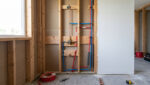
Winter pipe damage is not always dramatic. It does not always look like a burst pipe or water pouring through the ceiling. A lot of the time, the first signs are smaller: a dripping outdoor tap, weaker water pressure, a musty smell, new pipe sounds, or a water bill that suddenly looks off.
Here are five things worth checking this spring before a small plumbing issue turns into a bigger repair.
TL;DR
After winter, check your outdoor taps, water pressure, walls, ceilings, pipe sounds, and water bill. Small changes can point to a cracked pipe, hidden leak, or damaged fitting. If something feels damp, sounds different, or keeps getting worse, it is worth getting checked before water reaches drywall, flooring, or cabinets.
What You’ll Learn
- Why a leaking outdoor tap can point to winter pipe damage
- What does lower water pressure mean after winter
- How musty smells, soft drywall, and ceiling stains can signal a hidden leak
- Why new banging, clicking, or rattling pipe sounds matter
- How a higher water bill can point to water escaping somewhere
- Where to check first this spring
- What plumbing checks can you safely do yourself
- When to call a pro before the damage spreads
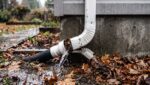
1. Your Outdoor Tap Leaks When You Turn It Back On
Outdoor taps are one of the first places to check after winter.
If water was left inside the hose bib or the pipe behind it, freezing temperatures may have cracked a washer, valve, fitting, or pipe. You might not notice the problem until you turn the tap back on in spring.
Here is what we suggest checking:
- Turn the outdoor tap on slowly
- Watch for dripping around the handle
- Check where the tap meets the wall
- Look inside the basement, garage, or crawlspace behind that wall
- Listen for water running after the tap is turned off
A small drip outside might not seem like a big deal. The problem is that the real leak can be inside the wall, not at the tap itself. That is where water can soak insulation, framing, drywall, or flooring before you see anything obvious.
If the tap feels stiff, loose, or seized, do not force it. Stop there. Forcing an old outdoor tap can break a fitting and turn a small issue into an urgent repair.
2. Your Water Pressure Suddenly Feels Lower
A sudden drop in water pressure is easy to ignore, but after winter, it is worth a closer look.
Cold weather can stress older pipes, fittings, and shutoff valves. If something cracked, shifted, or partly blocked the line, you may notice weaker flow at one tap, one bathroom, or throughout the house.
Start with the simple checks first:
- Remove and rinse the faucet aerator
- Test both hot and cold water
- Compare water pressure in different rooms
- Check if the issue is with one fixture or the whole home
- Look under nearby sinks for moisture
If one faucet is weak, it may just be a clogged aerator or fixture issue. If several fixtures are weak, the problem may be further back in the plumbing system.
Lower pressure is more concerning when it shows up with water stains, damp flooring, or a higher water bill. That combination can mean water is escaping somewhere it should not.
3. You Notice Musty Smells, Soft Drywall, or Stained Ceilings
A leak does not always leave a puddle.
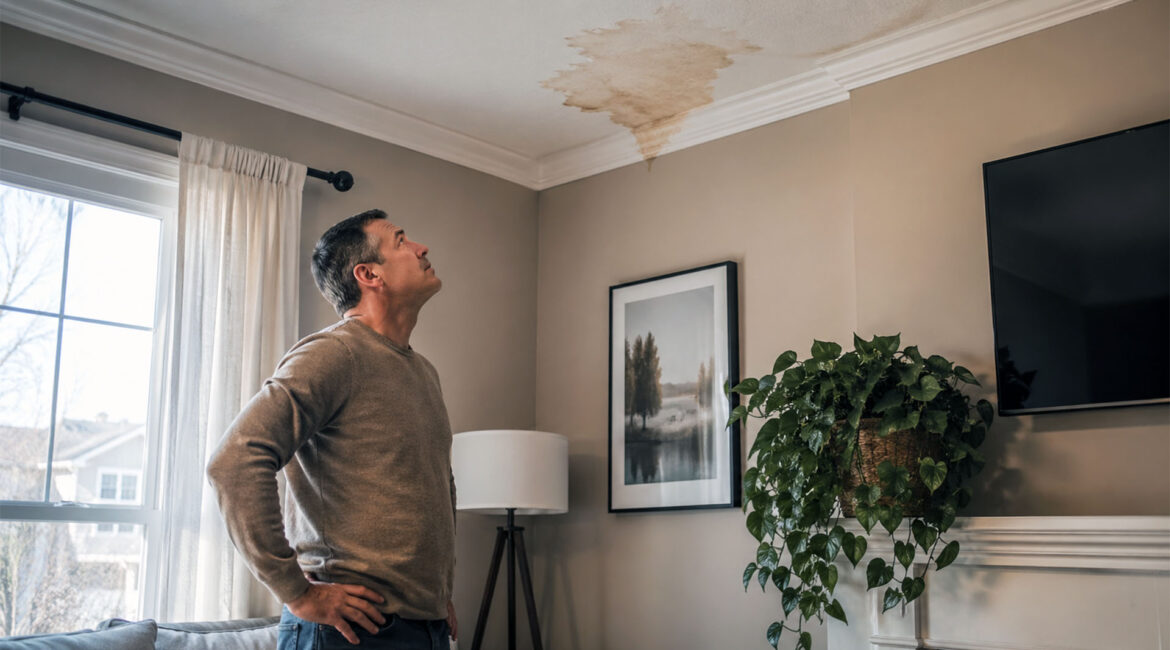
Sometimes water runs behind a wall, along a pipe, or across a ceiling before it shows itself. By spring, the first clue might be a musty smell, bubbling paint, a stained ceiling, or drywall that feels soft when you touch it.
Places worth checking:
- Ceiling corners below bathrooms
- Baseboards near exterior walls
- Cabinets under sinks
- Walls behind toilets
- Crawlspace insulation
- Flooring near laundry rooms and water heaters
A yellow or brown ceiling stain usually means water has already travelled. Soft drywall, swollen cabinets, or a musty smell should not be treated like a surface problem.
The simple rule is this: find the water source before fixing the surface.
Painting over a stain or drying a cabinet with a fan might make things look better for a bit, but it will not fix the leak. If the stain comes back, gets larger, or feels soft, it is time to inspect the plumbing behind it.
4. Your Pipes Make New Banging, Clicking, or Rattling Sounds
Some pipe noise is normal. New noise after winter is different.
Pipes expand and contract when temperatures change. Cold weather can also loosen pipe straps, stress valves, or change how water moves through the system. If a sound is new, louder than usual, or happening more often, pay attention.
Common sounds include:
- Banging when a tap shuts off
- Clicking behind a wall
- Rattling under a sink
- Thumping near a washing machine
- Humming when water is running
Banging can be a sign of water hammer, which happens when moving water stops too quickly. Over time, that shock can stress valves, joints, and fixtures.
Clicking may just be pipe expansion, but context matters. If the sound is new and you also notice stains, dampness, low pressure, or a higher water bill, do not ignore it.
You can safely check visible pipes under sinks, in the garage, or in unfinished areas. Look for movement, loose straps, damp spots, or mineral buildup. Do not cut into walls or ceilings just to chase a sound.
5. Your Water Bill Climbs Without a Clear Reason
A higher water bill after winter can be a clue that water is leaking somewhere.
This matters most when nothing has changed. No extra guests. No new appliances. No heavy outdoor watering. But the bill still jumps.
Try this basic water meter check:
- Turn off all taps and water-using appliances
- Make sure no toilets are running
- Check the water meter
- Wait 15 to 30 minutes without using water
- Check the meter again
If the meter moves while everything is off, water may be leaking somewhere.
Running toilets are common, so check those first. Put a few drops of food colouring in the toilet tank. Wait 10 to 15 minutes without flushing. If colour shows up in the bowl, the flapper is letting water through.
If the toilets check out and the meter still moves, the leak may be in a pipe, crawlspace, slab area, irrigation line, or outdoor tap connection. That is when it is worth having us trace the issue before it causes visible damage.
Where to Check First This Spring
Start with the spots winter is hardest on.
- Outdoor hose bibs
- Garage water lines
- Crawlspaces
- Basement ceilings
- Exterior wall plumbing
- Laundry room connections
- Water heater area
- Under-sink cabinets
- Shutoff valves
Use a flashlight and take your time. Look for rust, white mineral buildup, damp wood, swelling, staining, musty smells, or anything that looks different from the last time you checked.
You are not trying to become a plumber. You are just trying to catch the warning signs early.
What You Can Safely Do Yourself
A few spring plumbing checks are safe for most homeowners.
- Clean faucet aerators
- Replace worn hose washers
- Check under sinks for dampness
- Test toilets for silent leaks
- Look for ceiling stains
- Check the water meter for movement
- Inspect exposed pipes in unfinished areas
Stop before the job turns into cutting, soldering, opening walls, forcing seized valves, or working near electrical equipment with water nearby.
That is where DIY should stop.
When to Call a Pro
Some checks are fine to do yourself. Others are not worth guessing on, especially if water may already be behind a wall, under flooring, or inside a crawlspace.
Call a plumber if you notice:
- Water dripping inside the home when an outdoor tap is running
- Soft drywall, swollen baseboards, or bubbling paint
- A ceiling stain that grows or comes back after drying
- Lower water pressure in more than one fixture
- A water meter that moves when all taps are off
- A seized shutoff valve or outdoor tap that will not turn easily
- New pipe sounds paired with dampness, stains, or a higher water bill
- Moisture in a crawlspace, garage, laundry room, or under-sink cabinet
The biggest mistake is waiting until the leak becomes obvious. By then, the plumbing repair may be only one part of the problem. Drywall, cabinets, flooring, insulation, and mould cleanup can become the bigger issue.
Not sure whether it is safe to keep checking on your own? Stop there. We can take a look before a small leak turns into a bigger repair.
Bottom Line
Winter pipe damage is not always obvious. A dripping outdoor tap, soft drywall, weaker water pressure, new pipe sounds, or a water bill that jumps for no clear reason can all be early warning signs.
Spring is a smart time to check because small leaks are usually easier to deal with before outdoor water use goes up.
Not sure if it is just a drip or something hiding behind the wall? We can take a look before it turns into drywall, flooring, or cabinet damage.