Protecting Your Pipes Before the Next Freeze
We don’t get many hard freezes in the Lower Mainland, which is exactly why they catch so many homeowners off guard. One night of -5°C (23°F) weather, and suddenly there’s water pouring through a basement ceiling.
The thing is, burst pipes aren’t random bad luck. There’s actual physics at play, and once homeowners understand what’s happening inside those walls, prevention becomes pretty straightforward. Most of it costs nothing and takes maybe ten minutes.
What You’ll Learn
- Why does water expansion cause pipes to burst
- Which areas of Lower Mainland homes face the highest risk
- How regional moisture levels accelerate freeze damage
- Simple prevention steps that work overnight
- Warning signs that indicate pipes are already at risk
The Real Reason Pipes Burst (It’s Not What Most People Think)
Here’s the part that surprises most folks: pipes don’t actually burst where the ice forms. Water expands about 9% when it freezes, but the ice itself isn’t what does the damage.
Pressure Builds in Unexpected Places
What happens is the expanding ice pushes unfrozen water toward the nearest closed faucet. That water has nowhere to go, so pressure keeps building between the ice blockage and the valve. Eventually, something gives, usually at a joint or a spot where corrosion has weakened the pipe wall.
This explains why a pipe can freeze in the crawlspace but burst under the kitchen sink 6 metres (20 feet) away. The break happens wherever the pipe is weakest, not wherever it’s coldest.
Different Pipes Handle Freezing Differently
Copper pipes, which are common in South Surrey and White Rock homes built before the 1990s, are rigid and split pretty easily under pressure. PEX tubing has some give to it and can handle minor freezing better, but it’s not freeze-proof by any stretch. Older galvanized steel pipes in Fraser Valley homes often have years of internal rust that’s thinned the walls, making them especially vulnerable.
The PNW rainy season puts extra moisture in walls, and when rare freezes hit, that moisture accelerates pipe damage. Damp insulation doesn’t insulate much at all.
Pro Tip: Before the first freeze warning of the season, check the insulation around pipes in your crawlspace. If it feels damp or looks compressed, it won’t do much good when temperatures drop.
Where Freeze Damage Actually Happens in Local Homes
Not every pipe faces the same risk. After twenty years of service calls, the pattern is pretty clear: crawlspaces, exterior walls, and outdoor hose bibs account for the vast majority of freeze-related repairs.
Crawlspaces Get Brutally Cold
A lot of South Surrey homes from the seventies and eighties have crawlspaces with barely any insulation. Open that access hatch on a cold night, and you’ll feel the chill immediately, maybe catch that damp soil smell too. Supply lines running along floor joists down there sit completely exposed.
When nighttime temps drop below -2°C (28°F), pipes in an unprotected crawlspace can freeze in just a few hours. Cold air pools in the low spots where pipes tend to run.
Outdoor Hose Bibs Fail Quietly
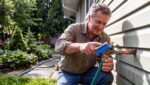
This one’s so common it’s almost predictable. A garden hose stays connected through fall, water sits in that short pipe between the shutoff and the spigot, and when it freezes, the fitting cracks. The frustrating part is that homeowners usually don’t notice until spring, when they turn the water back on and find their wall cavity flooded.
Exterior Wall Plumbing Runs Cold
Kitchens and bathrooms on outside walls, especially north-facing ones, put supply lines right in the danger zone. Homes in Crescent Beach and Semiahmoo sometimes see localized freezing even when inland areas stay above zero, thanks to those ocean temperature swings. Older construction often routed pipes through exterior wall cavities without much thought to insulation.
Pro Tip: Stick a thermometer in your coldest cabinet or crawlspace during a freeze warning. If it reads below 4°C (39°F), those pipes need active protection like dripping faucets or a space heater pointed at the access door.
What Actually Works for Prevention
The good news here is that frozen pipes are almost completely preventable. And most of what works doesn’t cost anything.
Quick Fixes When a Freeze Warning Hits
Open the cabinet doors under sinks on exterior walls so warm room air can reach the pipes. Let faucets drip, just a pencil-thin stream, to keep water moving and prevent pressure buildup. Disconnect garden hoses and close the interior shutoff valves for outdoor bibs. These three things handle probably 80% of residential freeze risk.
Longer-Term Solutions Worth Considering
Foam pipe insulation sleeves from the hardware store add real protection in crawlspaces and basements. Heat tape works well on problem pipes, though installation isn’t really a DIY project for most homeowners. Sealing air gaps around rim joists and where pipes penetrate the foundation keeps cold air from pooling, where it causes trouble.
Catching Problems Before They Get Expensive
If you notice frost forming on exposed pipes or water pressure dropping from a single fixture during cold weather, don’t ignore it. Frost means temperatures have already dropped below freezing in that spot. Reduced flow from one faucet while others run fine often signals a partial ice blockage that’s building pressure right now.
A quick inspection when you notice these signs can prevent a costly emergency. If you notice frost on exposed pipes or reduced water flow during cold snaps, that’s the time to act.
When to Call a Pro
Some freeze situations are straightforward DIY territory, but others need professional attention. Knowing the difference can save both money and frustration.
Call a Plumber If
- Water flow has stopped completely at one or more fixtures
- There’s visible bulging or frost buildup on exposed pipes
- A pipe has already burst, and water is leaking
- Frozen pipes are located inside walls or ceilings
- Thawing attempts with a hair dryer aren’t working after 30 minutes
Why Professional Help Matters
Thawing a frozen pipe incorrectly can cause the burst that homeowners were trying to prevent. Applying too much heat too quickly creates pressure spikes, and using an open flame risks fire or pipe damage.
Plumbers have thermal imaging tools that locate ice blockages inside walls without cutting drywall, and we can thaw pipes gradually while monitoring for cracks or weak spots.
If a pipe has already burst, shutting off the main water valve is the first step. After that, it’s about damage control and getting the repair done before water spreads further into floors and walls.
Key Takeaways
- Ice expansion creates pressure between blockages and closed valves, causing bursts away from the freeze point
- Crawlspaces, exterior walls, and outdoor bibs pose the highest risk in Lower Mainland homes
- Regional humidity means insulation often holds moisture that reduces its effectiveness
- Opening cabinet doors and dripping faucets provides overnight protection during cold snaps
- Visible frost or reduced flow signals a problem that needs immediate attention
The Bottom Line
Burst pipes cause some of the most expensive water damage we see, but they’re also some of the most preventable plumbing emergencies. A few minutes of prep before a cold snap can save thousands in repairs and weeks of headache.
If you’re dealing with frozen pipes or want someone to check your home’s vulnerable spots before the next freeze warning, we can help.