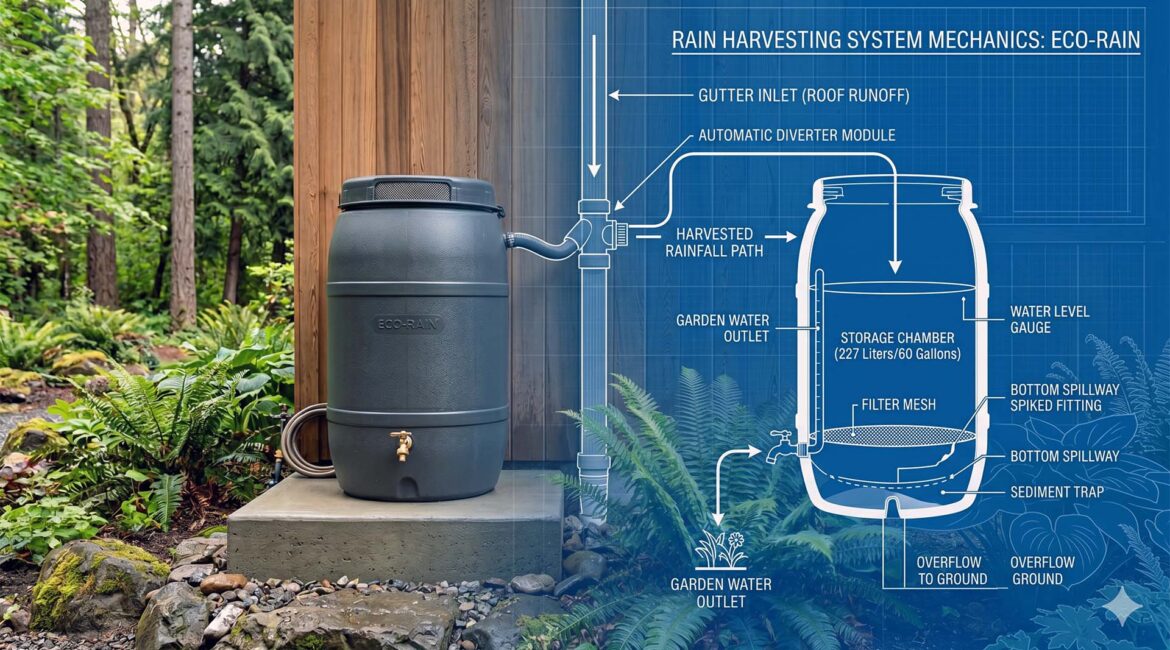
TL;DR Saving water and keeping your garden green this summer is surprisingly easy when you install a rain barrel to catch those spring showers. This simple weekend project takes minimal tools and gives you an eco-friendly way to water your plants. The team at South Surrey Plumbing has put together our favorite six-step method to get you set up.
Key Takeaways
- Why Rainwater is Better for Your Garden
- Tools and Materials You Will Need
- Step-by-Step Installation Guide
- Maintenance Tips for a Healthy Rain Barrel
- When to Call a Pro
- The Bottom Line
Why Rainwater is Better for Your Garden
Before you grab your tools, it helps to know exactly why rainwater harvesting is such a great idea. First, it is a huge win for the environment and your water bill. The roof on a standard home easily sheds hundreds of liters (gallons) of water during a heavy spring storm.
Catching that water for free takes a ton of pressure off our local storm drains. Plus, capturing this runoff stops water from pooling around your foundation and causing major headaches for you down the road.
Second, your plants actually prefer rainwater over what comes out of the tap. The water from your outdoor spigot is treated with chlorine and fluoride to keep it safe for drinking.
Rainwater is naturally soft, highly oxygenated, and totally free of those tap water salts. It also has a slightly acidic pH, which is a secret weapon that helps your plants absorb soil nutrients much more effectively.
Tools and Materials You Will Need
Gathering everything you need is a breeze. Most rain barrels come as a complete kit that includes the spigot and an overflow valve. Many of the kits our plumbers see also include the downspout diverter to make things even easier for you.
Materials Checklist:
- A rain barrel with a debris screen and a secure lid to keep mosquitoes out
- Downspout diverter kit
- Concrete pavers or cinder blocks for an elevated base
- Gravel or crushed rock for leveling the ground
Toolbox Essentials:
- Hacksaw or tin snips
- Measuring tape
- Power drill with a hole saw attachment
- A 1.2-meter (4-foot) level
- Safety glasses and heavy work gloves
- Pencil or marker
Step-by-Step Installation Guide
Step 1: Choose the Perfect Location
Picking the right spot is simple: you want to find a place directly beneath a downspout that sits close to the garden you plan to water. Take a quick stroll around the outside of your home and spot an easily accessible downspout.
You definitely want to make sure the area drains well, because heavy storms can cause the barrel to spill over. Any excess water needs to flow safely away from your foundation. Routing water safely away from the house is always a top priority for us when we do a drainage assessment.
Step 2: Build a Sturdy Base
Do not skip building a sturdy base! Water is much heavier than most people realize, weighing in at roughly 1 kilogram per liter (8.3 pounds per gallon). Trust us, a standard 190-liter (50-gallon) rain barrel will weigh over 180 kilograms (400 pounds) when it gets completely full.
Placing the barrel on uneven ground is a recipe for it tipping over. This can potentially cause a serious injury or damage to your siding.
Pro Tip: Elevating the barrel makes it much easier to slide your watering can under the spigot. Gravity is the only thing powering the water pressure, so that extra height gives you a really nice boost when you attach a garden hose.
- Dig out a shallow, level rectangle in the soil beneath your chosen downspout.
- Fill the excavated area with a few centimeters (a couple of inches) of crushed gravel to help with drainage.
- Place your concrete pavers or cinder blocks directly on top of the gravel.
- Use your 1.2-meter (4-foot) level to ensure the platform sits perfectly flat in all directions.
Step 3: Measure and Mark the Downspout
Set your empty rain barrel right on its new base. Now it is time to figure out exactly where to cut your existing downspout for the diverter. Check the manufacturer’s instructions closely, so you only have to measure once.
You usually need to mark a spot on the downspout that aligns horizontally with the top rim of the rain barrel. Grab your measuring tape and a pencil to mark the exact section of the downspout that needs to go.
Step 4: Cut the Downspout
Safety first: put on your safety glasses and work gloves before you start cutting. Downspout edges turn incredibly sharp once they are cut. Use your hacksaw or tin snips to carefully slice along the lines you just marked.
Remove the cut section of the downspout, and then file down any rough metal burrs left behind. This keeps the connection smooth and safe for your hands.
Step 5: Install the Diverter and Connect the Barrel
Attach the top and bottom pieces of your downspout diverter to the remaining sections of the home downspout. If your kit requires it, drill a specific entry point into the side of the barrel for the intake hose.
Connect the flexible diverter hose from the downspout directly into the rain barrel. Making sure those connections are nice and snug helps us all prevent pesky future leaks.
Step 6: Test the System
Do not wait around for the next rainstorm to see if your hard work paid off. Grab a garden hose and spray water directly onto the roof just above the gutters leading to your chosen downspout.
Watch the water flow down the spout and through the diverter into the barrel. Check for leaks around the entry points to ensure the barrel stays completely stable as it begins to fill up.
Maintenance Tips for a Healthy Rain Barrel
A little bit of routine maintenance goes a long way toward keeping everything flowing smoothly for us through the spring and summer months. These easy steps will protect your investment and keep your water fresh.
- Keep the Screen Clean: Check the mesh screen once a week during the spring. This ensures it stays clear of leaves and the typical roofing grit we get in our area.
- Prevent Mosquitoes: The tight-fitting lid and mesh screen should easily keep mosquitoes out. If larvae happen to catch your attention, just drop a non-toxic mosquito dunk into the water.
- Use the Water Regularly: Empty the barrel into your garden between rainstorms. Using the water is genuinely the easiest way to keep it fresh all season long.
- Winterize Your System: Drain the barrel completely when late fall finally arrives. Disconnect the diverter and turn the barrel upside down to stop the plastic from cracking when winter temperatures drop.
When to Call a Pro
Setting up a residential rain barrel is an awesome DIY project for a sunny afternoon. Complex drainage issues definitely require professional attention, though.
Calling a plumber is the smartest move if you notice water pooling heavily around the foundation, or if overflowing gutters are causing structural damage. Getting professional help from our crew is also highly recommended if your main outdoor hose bibs are leaking or require replacement before the summer heat hits.
The Bottom Line
Installing a rain barrel is a brilliant, low-effort way to embrace eco-friendly landscaping at home. This project protects your wallet from peak-season utility bills while keeping the yard looking absolutely fantastic. Putting in a little elbow grease this weekend ensures your garden is totally prepared for whatever the summer weather brings.
Need a Hand with Your Outdoor Plumbing?
Getting a hand with your outdoor plumbing this spring is always a smart choice. If you uncover broader drainage issues while you are inspecting the exterior of your home, the team at South Surrey Plumbing is ready to help. To book, call us at 604-897-4989.