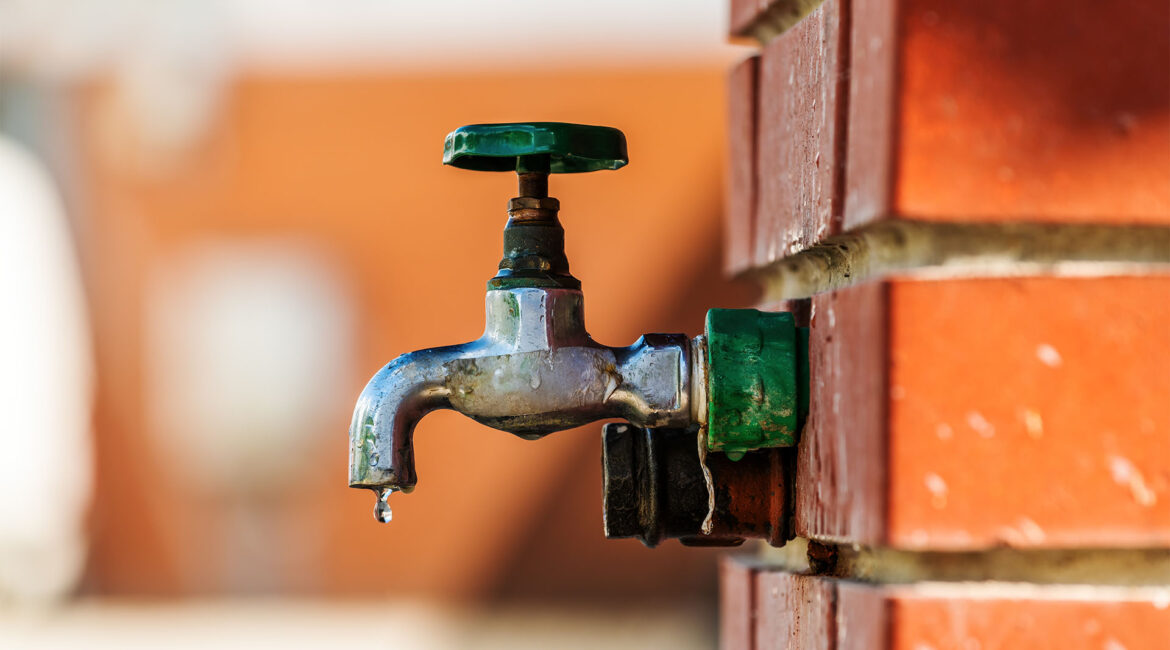
That persistent drip from your outdoor tap isn’t just annoying – it can cost you hundreds of dollars if left unfixed. We’ve helped countless South Surrey homeowners deal with leaky outdoor faucets, and we know how that steady drip can quickly turn from a minor irritation into a major headache.
Here’s the good news: many outdoor faucet repairs are actually quite manageable for handy homeowners. A simple washer replacement or tightening a loose connection can often solve the problem quickly and affordably.
Whether you’re dealing with a garden hose connection that won’t stop dripping or an exterior tap leaking near your home’s foundation, we’ll walk you through the steps to tackle these common issues safely.
We’ll also help you recognize when a quick fix will do the job and when it’s time to call in the professionals. Our goal is to empower you with the knowledge to handle simple repairs while ensuring you know when expert help is needed to protect your home and your wallet.
Table of Contents
- How to Repair a Leaking Outdoor Faucet
- How to Replace an Outdoor Faucet
- Troubleshooting Other Outdoor Faucet Issues
- When to Call a Pro?
- Final Thoughts
How to Repair a Leaking Outdoor Faucet
The first step in fixing your leaky outdoor tap is pinpointing exactly where the water is escaping. Most outdoor faucets leak in one of two spots: around the handle area or directly from the spout.
Let’s start with handle leaks. When water seeps around the handle while the faucet is running, you’re likely dealing with loose packing or worn stem packing. The fix is often surprisingly simple. Remove the handle by unscrewing its centre screw, then use an adjustable wrench to tighten the packing nut (located just behind where the handle sits) with a gentle 1/8 to 1/2 turn clockwise. A word of caution: don’t overtighten – this can crack the pipe and create a much bigger problem.
Spout drips tell a different story. When water keeps dripping after you’ve turned the tap off, you probably need a new washer. Here’s how to go through this repair:
- Shut off the water supply (typically located inside your home)
- Open the faucet completely to drain any remaining water
- Remove the handle by unscrewing the centre screw
- Loosen the packing nut with your adjustable wrench
- Pull out the valve stem – it’s a long metal rod in frost-proof models
- Find the washer at the stem’s end and remove its retaining screw
- Replace with an identical washer from your local hardware store
- Reassemble everything in reverse order
Frost-proof faucets work similarly, but here’s the tricky part: the washer sits at the far end of that long stem. You’ll need to remove the entire stem assembly to reach it.
Sometimes the culprit is debris lodged in the valve body. Try flushing it out with water pressure or carefully removing buildup with a small hooked tool.
Once you’ve completed your repair, turn the water back on and test your work. If the leak returns quickly, the valve seat itself might be damaged. This is particularly common in frost-proof faucets, where the valve seat sits deep inside the assembly and often requires specialized tools or complete faucet replacement.
These steps handle most outdoor faucet leaks that cross our desk. The key is taking your time and not forcing anything that feels stuck.
How to Replace an Outdoor Faucet
Sometimes a simple repair won’t cut it. When you’re dealing with an older faucet that’s seen better days or one that’s suffered extensive damage, complete replacement becomes your best option. Don’t worry – this project is well within reach for most homeowners who are comfortable with basic tools and willing to take their time.
Start with the Water Supply
Your first step is always shutting off the water supply. Look for the shut-off valve closest to your outdoor faucet – it’s typically located in your basement, utility room, or crawlspace. Can’t find a dedicated valve? You’ll need to turn off the main water supply to your home. Once the water’s off, open the outdoor faucet to drain any remaining water from the line.
Remove the Old Faucet
Head outside and start removing the existing faucet. You’ll need to unscrew it from your home’s siding by taking out the screws that hold it in place. Some faucets can be stubborn, especially if they’ve been there for years. If the flange is stuck behind your siding or trim, a pry bar can help you work it free gently. Once it’s loose, carefully pull the entire faucet out of the wall.
Prepare for the New Installation
With the old faucet out, you can prep for the new one. If you’re installing a frost-proof model (highly recommended for our BC winters), measure where the new faucet will reach and mark where you’ll need to cut the existing pipe. Clean the area with emery cloth or sandpaper if you’re working with copper pipes. Use a pipe cutter or hacksaw to make a clean, straight cut at your mark.
Install Your New Faucet
Here’s where attention to detail pays off. Apply a bead of adhesive caulk around the pipe to seal out cold air – this is especially important if the hole is larger than needed. Insert the new faucet through the wall opening and secure it with screws. Make sure the spout points downward so water drains properly when you turn it off.
Connect the faucet to your water supply using the appropriate fittings. If you’re working with copper pipes, you may need to solder the connections for a watertight seal. We recommend wrapping the faucet’s pipe with insulation for extra protection against freezing temperatures.
Test Your Work
Turn the water supply back on and check everything carefully for leaks. Run water through the new faucet for about a minute to flush out any debris from the installation. Most importantly, make sure the faucet drains completely when turned off – this is crucial for frost-proof performance during our cold Surrey winters.
If you notice any leaks or the faucet doesn’t drain properly, don’t hesitate to call us. These issues need to be addressed right away to prevent damage to your home.
Troubleshooting Other Common Outdoor Faucet Issues
Leaks aren’t the only problems outdoor faucets develop. These fixtures face tough conditions year-round, especially here in British Columbia, and several other issues can crop up. Catching these problems early saves you from bigger headaches down the road.
Stiff or Broken Handles
Your handle suddenly feels like it’s stuck in cement? Mineral buildup or corrosion is usually the culprit. Apply some penetrating lubricant and work the handle gently back and forth. Give it time to work – don’t force it.
A completely broken handle is actually easier to fix. Remove the center screw, pull off the broken piece, and head to your local Surrey hardware store with the old handle. Match it up with a new one and you’re back in business.
No Water Flow
Nothing’s more frustrating than turning a tap and getting nothing. Start with the basics: check that your shut-off valve inside the house is fully open. Look in your basement, utility room, or crawlspace for this valve.
During our BC winters, frozen pipes often cause this problem. If your faucet wasn’t properly winterized before the cold hit, ice might be blocking the flow. Wait for warmer weather or call us if you suspect frozen pipes – trying to thaw them incorrectly can cause bursts.
Vacuum Breaker Problems
See water dribbling from under the cap on top of your frost-proof faucet when it’s running? That’s your vacuum breaker acting up. The internal valve wears out over time, letting water escape where it shouldn’t.
You can replace just this component without changing the whole faucet. It’s a straightforward fix that saves money compared to full replacement.
Loose Mounting
Outdoor faucets sometimes work loose from the wall, creating an annoying wobble. This happens frequently on brick homes where the mounting hardware gradually loosens.
Construction adhesive made for masonry can secure the faucet without damaging your brickwork. Clean the area first, apply the adhesive, and hold the faucet steady until it sets.
Worn Valve Seats
Sometimes you’ll replace the washer perfectly, but leaks return within days. This usually means the valve seat itself is worn or damaged. On frost-proof models, this seat sits deep inside the valve body.
At this point, replacing the entire faucet often makes more sense than trying to repair the seat. It’s more cost-effective and gives you a fresh start.
Regular maintenance prevents most of these issues. Check your outdoor faucets each spring and fall, and don’t ignore small problems – they rarely fix themselves.
When to Call a Pro?
We love helping DIY-minded homeowners tackle simple repairs, but we also know when to be honest about the limits of weekend projects. Some outdoor faucet problems need professional attention, and there’s no shame in recognizing when you’ve reached that point.
Call a licensed plumber if you’ve tried the basic fixes but your faucet keeps leaking. Persistent drips often signal deeper issues – maybe a damaged valve seat or problems with your home’s plumbing connections. We’ve seen too many homeowners spend weekends fighting the same leak, only to discover the real problem was hidden inside the wall.
Water damage around your faucet is another red flag. Staining, soft spots, or discoloration on your siding means water has been getting where it shouldn’t. These situations need immediate professional assessment to prevent structural damage to your Surrey home.
Strange water pressure or unusual sounds from your outdoor tap often point to bigger plumbing issues. The problem might not be your faucet at all – it could be your home’s main supply line or pressure regulator.
Here’s where our expertise really matters: we bring specialized tools and years of experience to every job. More importantly, we guarantee our work and can spot potential problems before they become expensive emergencies.
Safety is another factor. Plumbing work sometimes involves water pressure, electrical connections, or gas lines (for heated outdoor areas). Licensed professionals ensure everything meets BC building codes and safety standards.
Complex installations – like running new water lines or relocating faucets – definitely need professional help. These projects require cutting into walls, proper slope calculations for drainage, and knowledge of your home’s existing plumbing layout.
Our commitment to integrity means we’ll tell you honestly when a DIY approach makes sense and when professional help protects your investment. Sometimes spending a bit more upfront prevents much bigger problems down the road.
Final Thoughts
Most outdoor faucet issues are well within reach for handy homeowners who have basic tools and patience. We’ve walked you through everything from simple washer replacements to complete faucet installations. Tackling these problems quickly can prevent costly water damage while keeping your utility bills in check.
Prevention beats repairs every time. Winterizing your outdoor taps before BC’s cold weather hits will save you headaches later. A quick seasonal check during your regular home maintenance routine often catches minor issues before they turn into expensive problems.
That said, some situations call for professional expertise. If you’ve tried the basic fixes and that leak keeps coming back, or if you’re seeing water damage around your foundation, it’s time to call in the pros. Complex installations involving new water lines or rerouting existing pipes definitely warrant professional help.
Your comfort level, available tools, and the scope of the problem should guide your decision. Whether you tackle it yourself or call for backup, don’t let outdoor faucet problems linger. Quick action protects your home and prevents waste.
Ready to get that outdoor faucet fixed? If you’ve tried these steps and still need assistance, or if you’d prefer to have a licensed professional handle the job from the outset, we’re here to help. Our team serves South Surrey and surrounding areas with reliable, honest service that puts your peace of mind first.