Many common plumbing habits do more harm than good, like using hot water on grease or chemical cleaners on drains.
These habits can damage pipes and lead to costly repairs. Chemical drain cleaners eat away at pipes over time. Hot water pushes grease deeper, where it hardens and blocks the pipe.
This guide covers the top plumbing myths that can drain your wallet and harm your plumbing, and how to tell myth from fact.
Table of Contents
- The History Behind Plumbing Myths
- Why People Still Believe Plumbing Myths
- Dangerous Myths About Toilet Usage
- Garbage Disposal Myths That Cost Money
- Water Heater Myths and Safety
- Drain Cleaning Myths That Damage Pipes
- Cost Impact of Believing Plumbing Myths
- Final Thoughts
The History Behind Plumbing Myths
Plumbing myths are old. They date back to early civilizations, and they shaped how people understood water, hygiene, and sanitation for centuries.
Ancient plumbing beliefs
Clay pipes appeared in ancient Mesopotamia around 4000 to 3000 BC, first used in temples. The Roman Empire later built aqueducts that stretched about 60 miles.
How myths spread over generations
These myths live on today because of three main reasons:
- DIY Culture Influence: Homeowners try repairs based on outdated tips passed down in families.
- Internet Misinformation: Bad plumbing advice spreads fast online.
- Cost-saving Attempts: Questionable fixes often cause more damage.
Get guidance from certified plumbers and other trusted sources.
Why People Still Believe Plumbing Myths
Easy internet access changed how people handle plumbing problems. Many homeowners search for a quick fix first. That often creates more problems than it solves.
DIY culture influence
DIY culture plays a big part. People like to fix things themselves, but DIY plumbing often leads to:
- Flooding and water damage
- Higher repair costs
- Problems with insurance coverage
Internet misinformation
Online advice is hard to judge. Short videos from self-styled experts often show simple fixes for complex problems. Those fixes then get passed on as common sense.
Plumbing is more than water moving through pipes. professional plumbers need to understand:
- Physics and chemistry principles
- Pressure effects on piping systems
- Bacterial effect on sanitation
- Construction material interactions with water quality
Cost-saving attempts
Saving money drives many myths. Homeowners often see the cost of parts, but not the skill a proper install takes. Some then hire an unqualified handyperson who charges very little.
Professional plumbing services include many hidden costs:
- Overhead expenses
- Insurance requirements
- Ongoing technical training
- Licensing fees
- Fuel and transportation
- Parts storage
Putting off a small problem to save money usually backfires. A minor leak can lead to mould and ceiling damage. A slow drain can clog completely, often at the worst time.
Dangerous Myths About Toilet Usage
Misunderstandings about toilet use can cause serious problems. A Ryerson University study tested 101 wipes, including 23 sold as flushable. None broke down as claimed.
Flushable products myth
Most wipes sold as flushable contain synthetic materials like plastic or polyester. They do not dissolve in water. They catch on pipes and form blockages that need professional help to clear. The Water Environment Federation says wipes cause 40% to 60% of sewer blockages.
Chemical cleaners safety
Many people believe chemical drain cleaners are a safe fix for clogs. These cleaners contain harsh substances like:
- Sulphuric acid
- Hydrochloric acid
- Sodium hydroxide
- Potassium hydroxide
These chemicals slowly eat away at pipes and can cause leaks and structural damage. Never mix drain cleaners. Mixing them can create explosive reactions and release gases like hydrogen sulfide and chlorine.
Chemical cleaners don’t just damage pipes – they’re also dangerous to health. Common problems include:
- Skin dermatitis and chemical burns
- Respiratory issues
- Eye damage
- Allergic reactions
Long exposure adds to the damage, especially with drop-in toilet cleaners. They seem handy, but constant chemical contact slowly breaks down toilet parts.
Professional plumbers recommend mechanical methods like plungers and augers. They clear clogs without damaging pipes or creating toxic fumes.
Good toilet paper is the safer choice. It breaks down quickly in water. The Franklin Miller study found that 90% of material people flush was never meant for wastewater treatment.
Garbage Disposal Myths That Cost Money
Misunderstandings about garbage disposals lead to needless repairs. Most people think these units have sharp blades. They do not. They use impellers and centrifugal force to grind food waste.
Food waste myths
A disposal cannot handle every food. Fibrous foods like celery, corn husks, and onion skins wrap around the impellers. Starchy foods like pasta and rice swell and can cause clogs.
Grease is another common mistake. Hot water does not wash grease away. The fat hardens deeper in the pipe.
Cleaning misconceptions
Lemons do not clean a disposal. Citrus can mask odours for a short time, but the acid slowly corrodes metal parts. Ice cubes do not sharpen blades either, because there are no blades to sharpen.
Your disposal needs more care than you might think. Regular cleaning helps prevent:
- Bad smells from stuck food particles
- Bacteria growth that affects performance
- Early system failure that requires replacement
A disposal can work with a septic system. A right-sized system handles ground food waste well. Food scraps are 70% to 90% water and break down faster than other waste.
Your disposal works best when you:
- Run cold water while using it
- Skip chemical cleaners that harm components
- Process small amounts of suitable food waste
- Clean it regularly
Water Heater Myths and Safety
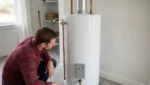
Water heaters have strong safety features, and explosions are rare. Even so, myths about care and maintenance are common, and some are risky.
Maintenance requirements
No water heater is maintenance free. Even low-maintenance units need regular care. Plumbers say you should flush your water heater every six months. Homes with hard water need it more often.
Essential maintenance tasks include:
- Checking the pressure relief valve annually
- Monitoring the anode rod condition
- Draining sediment from the tank
- Setting the thermostat to 120-125 degrees Fahrenheit
Draining the tank is not enough. The anode rod should be replaced in the first two to three years. Wait too long and it can fuse in place. Sediment at the bottom cuts efficiency.
Warning signs vs myths
Real warning signs are different from myths. Most heaters show clear signs before a serious problem develops.
Your water heater needs immediate attention if you notice:
- Rusty or discoloured water that indicates anode rod failure
- Less hot water output that suggests heating element issues
- Strange knocking sounds from sediment buildup
- Sulfur-like odors that point to potential gas leaks
Age alone does not decide replacement. Many heaters last about 10 years. With good care and regular anode rod replacement, some run well for up to 30 years.
Tankless heaters need care too. Yearly servicing prevents mineral buildup. Skipping service can lead to early failure.
Modern heaters have built-in safety features. Regular professional inspections catch small issues before they become costly repairs.
Drain Cleaning Myths That Damage Pipes
Wrong cleaning advice can make a drain problem worse and lead to expensive repairs. These are the myths that do the most damage.
Chemical cleaners
Chemical drain cleaners are not safe for regular use. Products with lye or sulphuric acid eat away at pipes and raise the risk of leaks and bursts. Repeated use also kills the good bacteria a septic system needs.
Home remedies
Baking soda and vinegar are popular home fixes. They may give short-term relief, but they rarely clear the real cause of a clog.
Store-bought drain snakes can help with small blockages. In untrained hands, they can also damage pipes. Professional grade machines need training to use safely.
Professional methods
Plumbers pick a method based on the clog and the pipe condition. Professional tools clear blockages without damaging the plumbing. They include:
- Hydro jetting that cleans pipes completely
- Video inspection to find exact problem spots
- Enzyme-based cleaners that protect the environment
- Strategies to prevent future problems
A drain that flows well today can still have buildup inside. Buildup grows slowly and can become a severe blockage. A professional check catches it early.
Cost Impact of Believing Plumbing Myths
Bad advice costs homeowners money. EPA data shows household leaks waste about 10,000 gallons of water a year per home. That is enough for 270 loads of laundry.
Short-term savings trap
Quick fixes hide what comes later. A chemical cleaner may clear a drain today and slowly eat the pipe. Small problems add up fast.
Take a dripping faucet. A slow leak looks minor, but one drip per minute wastes about 3 litres a week. Those drips show up on water and sewer bills.
Long-term damage expenses
Skipping maintenance leads to costly problems. Bleach tablets in a toilet tank seem cheap. They can destroy internal parts within six months, which means a new toilet instead of simple upkeep.
Regular checkups prevent surprise bills. Complex work needs specific knowledge, tools, and experience.
Ignoring a slow drain can get pricey. It often points to a bigger problem that can become a full blockage or a broken pipe. Getting a professional to check early saves money compared to emergency work.
The idea that some products are flushable creates huge expenses in communities. U.S. utilities pay about CAD 1.39 billion yearly to fix problems from these items. New York City alone spent CAD 25.08 million fixing damaged equipment over five years.
Final Thoughts
Plumbing myths cause water waste, pipe damage, and repairs that could have been avoided. Many come from old habits and weak online advice. They push people toward DIY fixes instead of professional help.
Modern problems need modern fixes. Water monitoring systems, leak detectors, and efficient fixtures can prevent expensive damage. Use new technology, and be careful with untested DIY methods.
Professional maintenance is still the best protection for your plumbing. Licensed plumbers spot small issues before they become major headaches. That costs far less than emergency repairs or a full system replacement.