
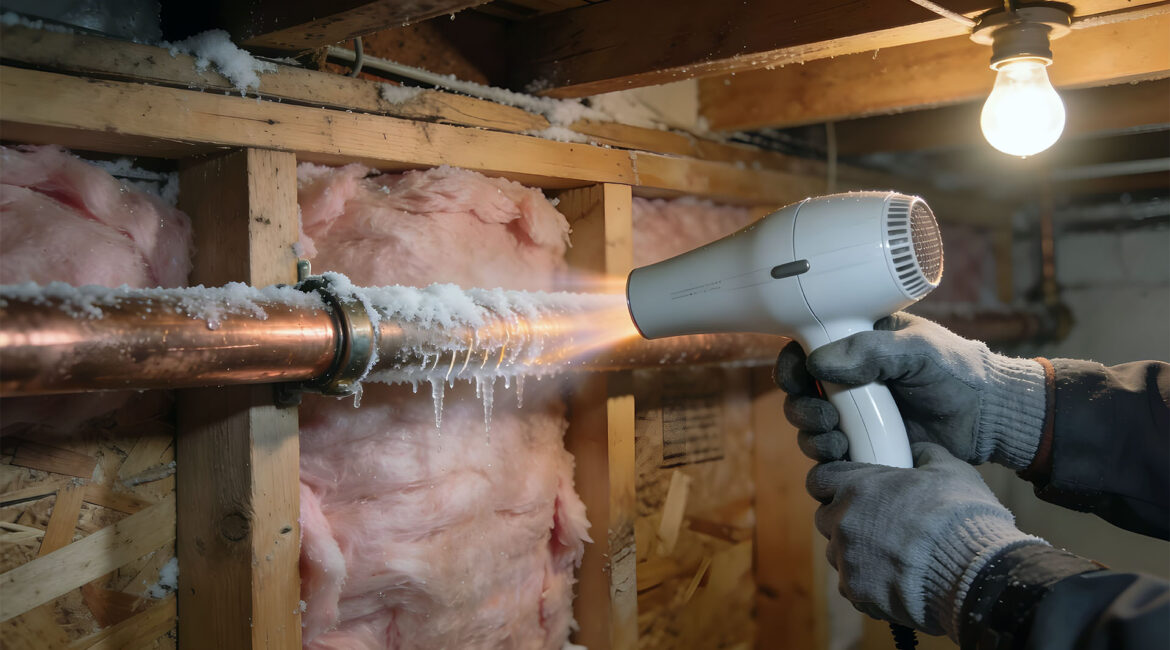
Frozen Pipes? 3 Spots to Check Before You Call for Help Here are the safest ways to get water flowing again in your home without causing a flood. Few things are more frustrating than turning on a tap in February and hearing nothing but silence. You expect the rush of...
7 Pipe Noises You Should Never Ignore

7 Pipe Noises That Signal Real Risk Your pipes make noise for a reason. Banging, whistling, humming, rattling, screeching, gurgling, phantom water sounds: each one points to something specific happening inside your walls. Some are harmless quirks. Others are early warnings you don't want to ignore. If you've been hearing...
Plumbing History: Rome to Modern Bathrooms

Here's a simple truth: most of us visit the bathroom six or seven times each day. This basic human need has sparked thousands of years of innovation in water management and waste disposal. The word "plumbing" actually comes from the Latin "plumbum," meaning lead - the material Romans used for...
A Guide to Understanding Reverse Osmosis

We know that worrying about your family's drinking water can be stressful. What's actually coming out of your taps? Is it safe for your kids? You're not alone in these concerns. Reverse osmosis might sound complicated, but it's really just a smart way to clean your water. Think of it...
Tree Roots vs. Sewer Lines: Winning the War

Tree roots waging war on sewer lines create one of the most destructive underground problems homeowners must face. These roots can sneak into sewer systems through the smallest cracks or loose joints and create blockages that wreak havoc on your plumbing system. Poplar trees pose an especially serious threat. Their...
Spot Hard Water Early & Save Thousands
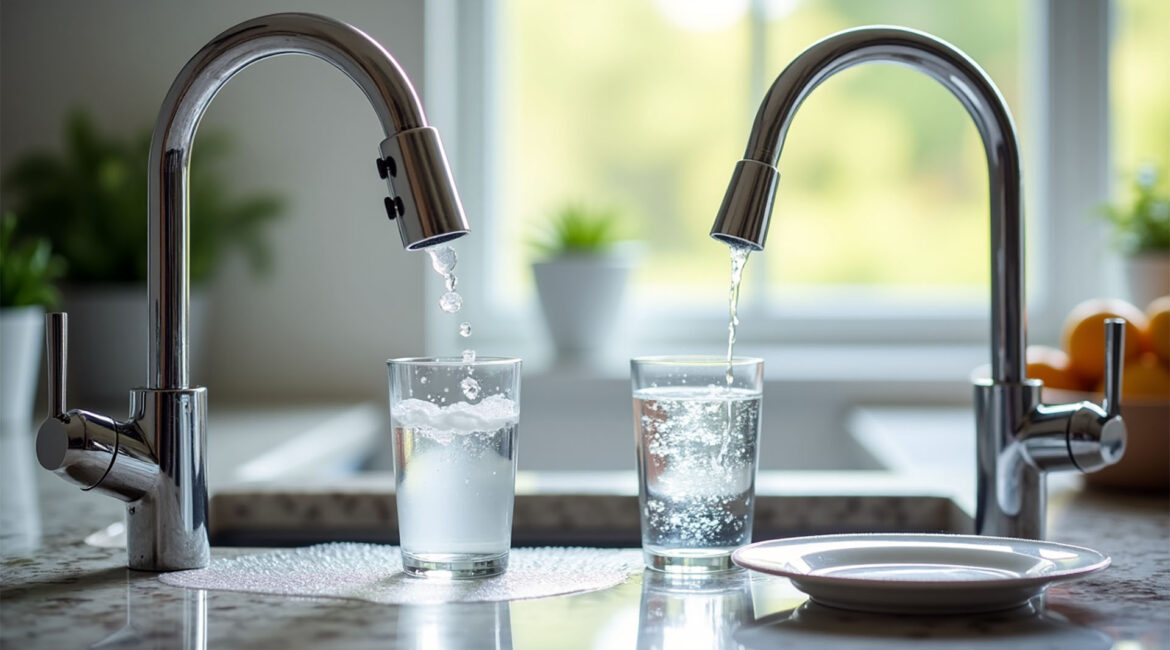
Hard water affects 85% of homes across Canada. Most homeowners don't notice hard water signs until their homes and appliances show visible damage. Water becomes hard when it contains more than 120 mg of minerals per liter, which creates problems in plumbing systems and appliances. Hard water's effects goes far...
Old Plumbing Risks in Older Homes

Fixing old plumbing problems can get pricey. Homeowners need to learn about their aging systems to avoid these costs. Houses built before the 1990s typically have outdated pipes that don't meet today's plumbing codes, which puts residents at risk. Most older homes still use dangerous materials like lead pipes. These...
Drain Cleaners: A Threat to Your Plumbing

That bottle of chemical drain cleaner sitting under your sink might look harmless, but it's quietly wreaking havoc on your plumbing system. We've seen far too many homeowners face costly repairs after relying on harsh chemicals as a quick fix for clogged drains. Here's the troubling truth: these cleaners pack...
Why Homeowners Are Switching from Copper to PEX

Ancient Egyptians used copper pipes as the undisputed standard for home water supply. Modern times have brought a radical alteration in homeowners' approach to their plumbing choices. Copper pipes last an impressive 50 to 70 years. PEX has become a compelling alternative with a lifespan of 30 to 50 years....
Expert Plumbing Maintenance Secrets

Your home's plumbing system makes up about 15% of your total home value. This represents a most important investment that we often take for granted until problems arise. A single leaky faucet wastes up to 30 liters of water daily, and a running toilet can waste up to 757 liters...